Sunlight becomes power.
Tier-1 panels, laid out for your roof.
~1,450 kWh a year per kW of panels, typical for Mauritius5–10 kW suits most family homes
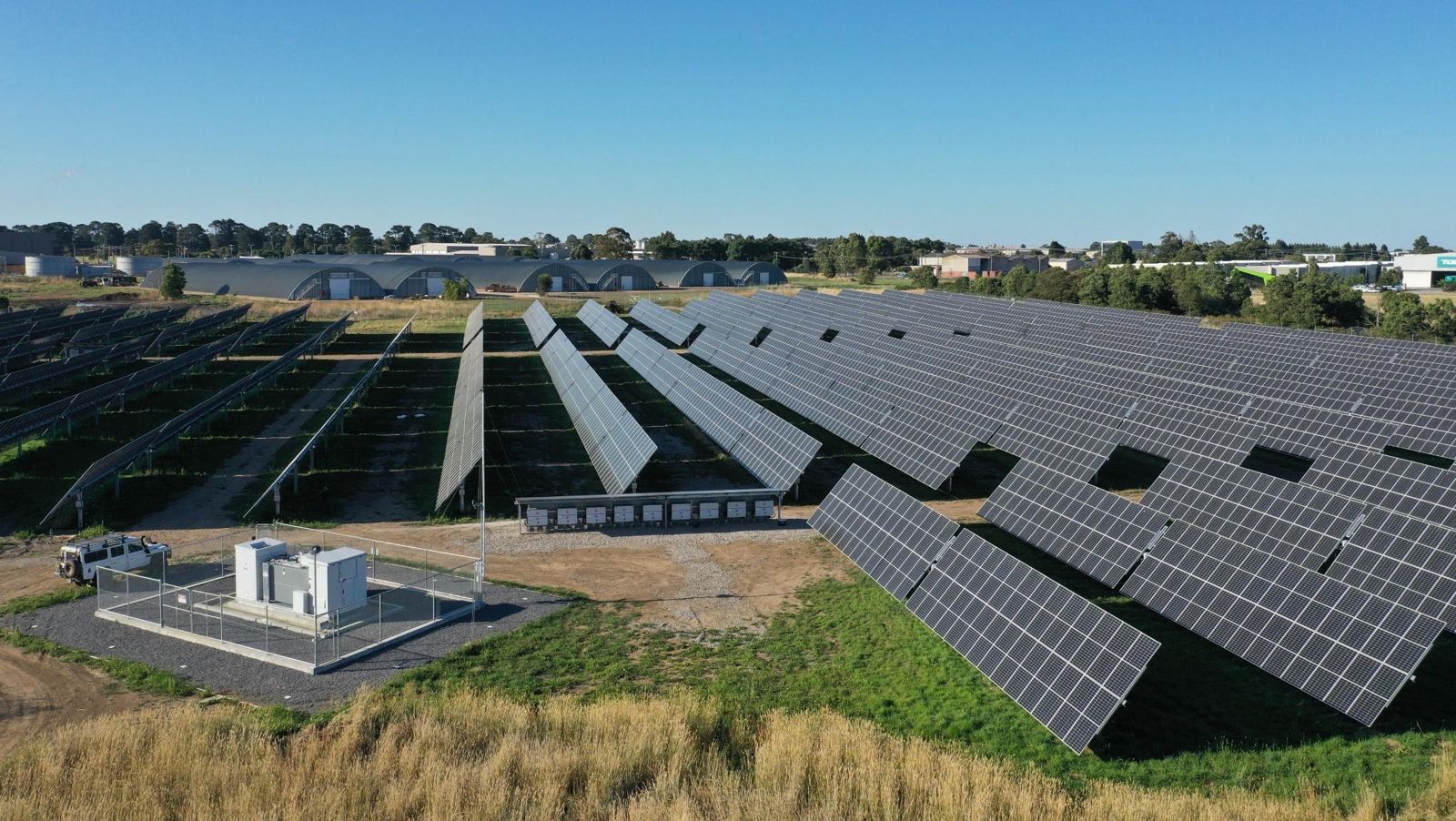
Hybrid solar and battery systems for Mauritian homes and businesses, sized to the CEB scheme and backed by a local team.
From sunlight to savings
Tier-1 panels, laid out for your roof.
A home battery keeps the lights on after sunset and through outages.
On net metering, solar you use at home offsets power you would otherwise buy from the CEB.
Net or gross metering: which suits you depends on how much power you use at home. We'll recommend one at your consultation.
Solutions
From a family home in Curepipe to a resort on the coast: generation, storage and charging from one partner.
Built for the CEB Households Scheme, with the evening battery backup it requires.
Rooftop solar, storage and hybrid systems for hotels, factories, offices and estates.
Solar farms and containerised batteries that firm up renewables on the island grid.
Home wall-boxes to fast chargers for hotels, malls and the motorway.
Shade from the tropical sun that generates power and charges EVs.
Reliable lithium power for vessels, port-side equipment, aquaculture sites and telecom towers.
For your home · The 2026 Households Scheme
Indicative packages start at Rs 300,000. The 25% government grant* brings that down to Rs 225,000, and the CEB scheme credits you for the power you send to the grid.
*Indicative starting price for the Essential package after the 25% grant (up to Rs 75,000), excl. VAT. The grant is administered by the DBM and is subject to eligibility and available funds; not every household will qualify. Finance through green loans from commercial banks or DBM concessionary loans. Net-metering terms (Tariff 150A_NM) are subject to Utility Regulatory Authority approval. Source: CEB Household Rooftop Solar PV Scheme, revised July 2026.
We size your system to the scheme's rules, help you prepare the CEB application and grant paperwork, and install and commission it for CEB inspection.
You apply and sign the Connection Agreement at a CEB Customer Service Centre; we can come with you or represent you with your written authorisation. CEB charges (the Rs 2,000 processing fee, connection fee and metering costs) are billed by the CEB to your electricity account. Grid connection is subject to CEB inspection and approval.Green finance: commercial-bank green loans or DBM concessionary loansHow we work
A call about your bill and needs, then an indicative quote.
Roof, shading, switchboard and your last 3 months of CEB bills, then a written quote.
You register with the CEB and sign the Connection Agreement; we help with the paperwork and any network survey. No equipment deposit until this is signed.
Tier-1 procurement, certified installation and commissioning, then CEB inspection and grid connection.
App monitoring, maintenance and savings reports for the life of the system, from our local team on island.
Marquee projects · Australia
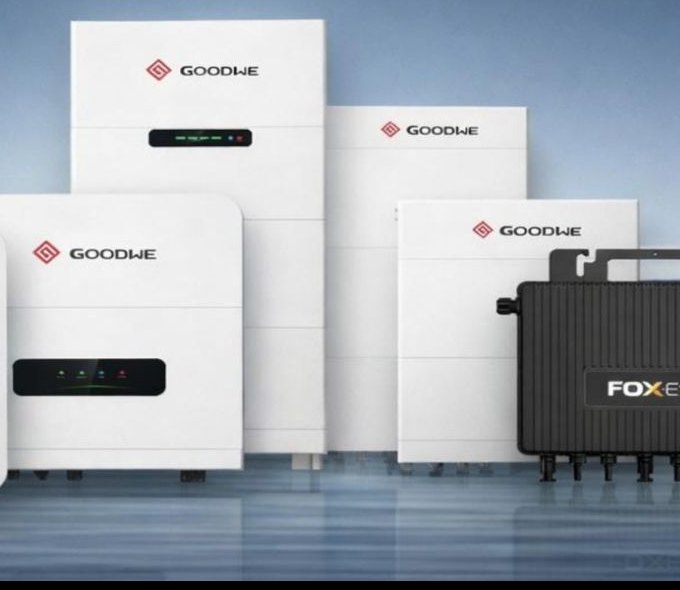
Technology allies
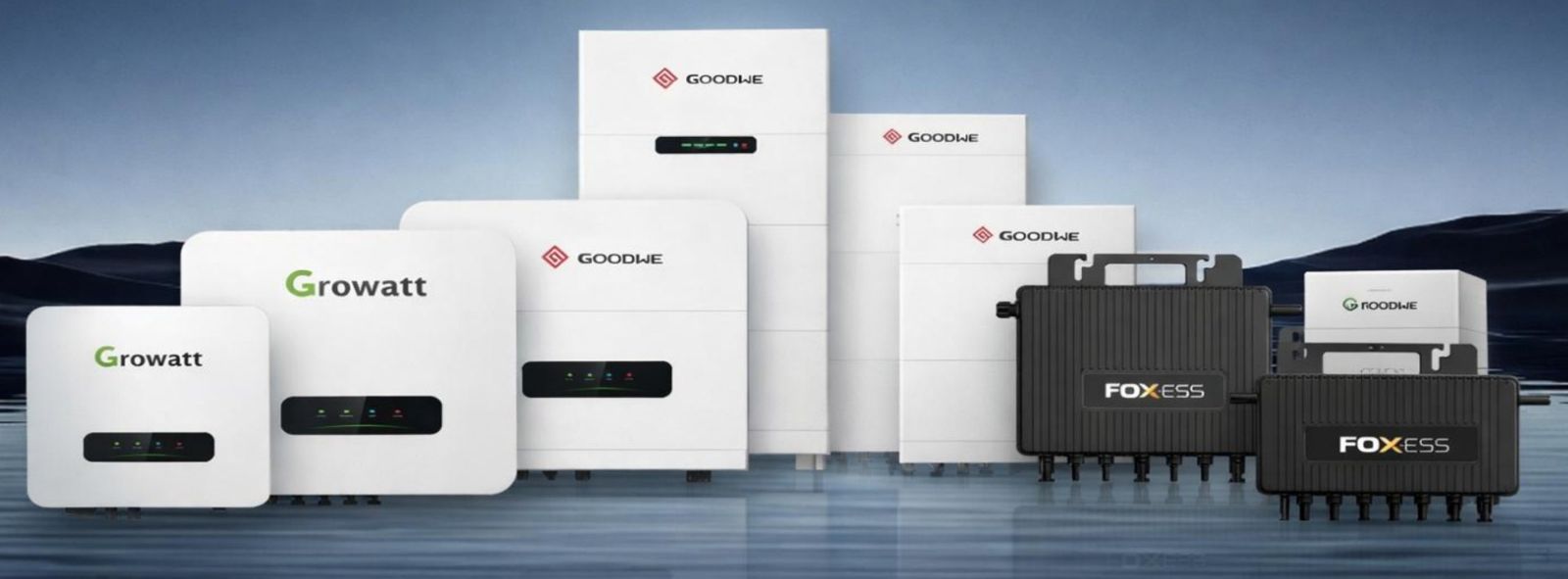
We collaborate with globally recognised technology leaders who help us deliver cutting-edge, dependable and future-ready energy solutions.






Talk to us
Book a free site survey or ask our team anything about solar, storage or EV charging.
Home / Solutions / Home solar
Four hybrid systems keyed to how your household uses power. Every package is sized on site, connected under the CEB scheme subject to CEB approval, and backed by local after-sales support.
Pick a band and we'll highlight the matching package, with an indicative savings range.
Estimate based on net metering
Indicative only, not a quote or a guarantee of savings. Assumes net metering under Tariff 150A_NM (subject to URA approval), with surplus credited at Rs 3.00 per kWh and the scheme's solidarity contribution (Rs 0.82 per kWh offset above 500 kWh a month, Rs 1.63 above 1,000 kWh). Also assumes CEB 2026 domestic tariffs (incl. the May 2026 adjustment), 1,350–1,550 kWh per kW of panels a year and Rs 3,000 a year maintenance. Your actual savings depend on your tariff, when you use power, how your household uses it and the metering option you choose. Not applicable to IRS or RES homes. Your written quote follows a free site survey.
Get my exact quoteFor your home
Indicative packages start at Rs 300,000. The 25% government grant* brings that down to Rs 225,000.
*Indicative starting price for the Essential package after the 25% grant (up to Rs 75,000), excl. VAT. The grant is administered by the DBM and is subject to eligibility and available funds; not every household will qualify. Final pricing follows a free site survey, roof condition and CEB approval. Panel and battery models may vary by availability. Net-metering terms (Tariff 150A_NM) are subject to Utility Regulatory Authority approval. Source: CEB Household Rooftop Solar PV Scheme, revised July 2026.
We size your system to the scheme's rules, help you prepare the CEB application and grant paperwork, and install and commission it for CEB inspection.
You apply and sign the Connection Agreement at a CEB Customer Service Centre; we can come with you or represent you with your written authorisation. CEB charges (the Rs 2,000 processing fee, connection fee and metering costs) are billed by the CEB to your electricity account. Grid connection is subject to CEB inspection and approval.Green finance: commercial-bank green loans or DBM concessionary loansCompare packages
| Specification | Essential | Family | Family Plus | Autonomy |
|---|---|---|---|---|
| Suits | Small family of up to 3 | Family of 3–5 | Large household | High use, plus an EV |
| Typical daily use | 15–20 kWh | 20–30 kWh | 30–40 kWh | 40–50+ kWh |
| Typical monthly CEB bill | Up to Rs 5,500 | Rs 5,500 – 8,000 | Rs 8,000 – 11,000 | Above Rs 11,000 |
| Solar panels (kW) | 5 kW | 7 kW | 10 kW | 10 kW |
| Hybrid inverter (kW) | 8 kW | 12 kW | 12 kW | 12 kW |
| CEB network survey | Not required | Required | Required | Required |
| Home battery (kWh) | From 5 kWh, sized on survey | 16 kWh | 16 kWh | 32 kWh |
| Monitoring app & warranties | Included | Included | Included | Included |
| Packages from Rs 225,000* after the 25% grant (Rs 300,000 before) | ||||
kW measures power (how fast); kWh measures energy (how much the battery stores). Under the scheme, systems above 3.5 kWac need a battery for at least 3 hours of evening supply, export is limited to 5 kWac per phase (a three-phase supply is needed to export more than 5 kWac), and systems above 10 kWac need a CEB network survey and Letter of Intent before installation. Packages with a 12 kW inverter therefore include a CEB network survey, which adds time before installation can start. Final inverter and battery sizes are confirmed after the site survey.
CEB charges (Rs 2,000 processing fee, connection fee and metering costs) are billed by the CEB to your electricity account and are not part of the package price.
Popular add-ons
7–22 kW AC wall-box with OCPP smart charging, powered by your own solar.
EV charging →Add 5 kWh battery modules as your household's needs grow.
Lighting, climate and appliance control that works with your solar.
Full off-grid resilience for remote properties and critical loads.
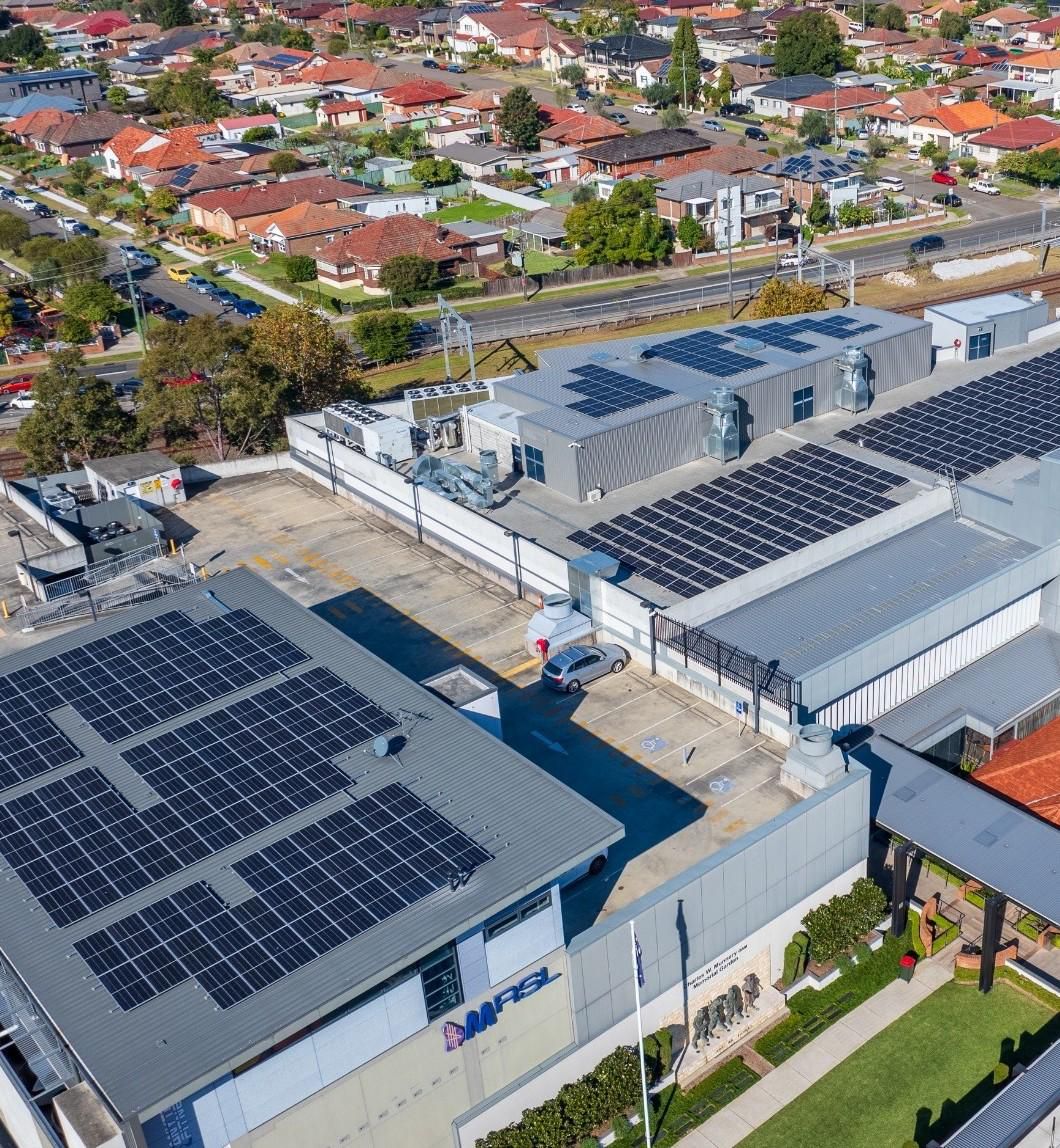
Homes we've powered
Australian projects shown until our first Mauritian installations are complete.
Ready to start?
Bring your last CEB bill. We size the system, model your savings and quote in writing, with no obligation. No equipment deposit is taken until your CEB Connection Agreement is signed.
Home / Solutions / Business & industry
Commercial solar, battery storage, EV charging and hybrid power, engineered to Australian standards and sized to each site's load profile and CEB scheme rules.
Sectors we serve
Wherever there is power, we're into it: from resort rooftops to telecom towers and working vessels.
Cut daytime cooling and hot-water costs, add backup and give guests EV charging on site.
Large-roof solar with storage for peak shaving and continuity of critical loads.
Solar car shades and EV chargers that turn car parks into an energy asset.
Solar for irrigation pumping, cold storage and processing on sugar and food estates.
Lithium power for vessels, port-side equipment and aquaculture sites.
Battery backup and hybrid systems that displace diesel at towers and server rooms.
What we cover
Different businesses have different energy profiles. Prishda Energy designs commercial solar systems around how your business actually uses electricity.
Reduce daytime electricity costs with a solar system designed for businesses such as retail stores, cafés, medical centres, professional offices and trade businesses. A properly sized system can help offset daytime grid consumption while improving long-term energy cost management.
IDEAL FORLarge warehouses, factories and manufacturing facilities can benefit from larger rooftop solar systems designed to generate substantial amounts of electricity during operating hours. Prishda Energy can combine commercial solar with battery storage and intelligent energy management to help businesses make better use of the energy they generate.
IDEAL FORSolar generation is only part of an effective commercial energy strategy. With a commercial Battery Energy Storage System, businesses can store excess solar energy and use it when electricity demand is higher or solar generation is lower.
BATTERY STORAGE CAN HELP BUSINESSES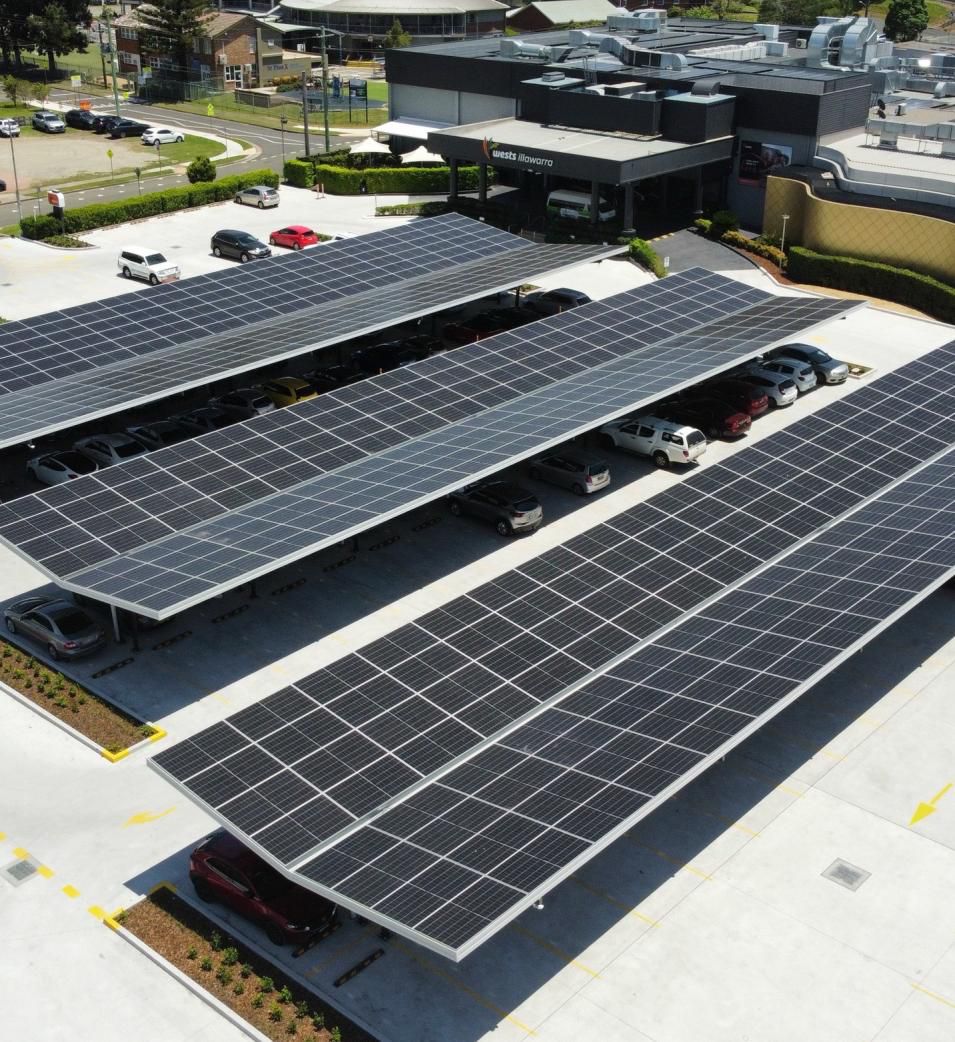
Commercial battery storage
Modular lithium (LFP) storage from tier-1 manufacturers, from a single cabinet for a hotel or factory to containerised blocks for the grid.
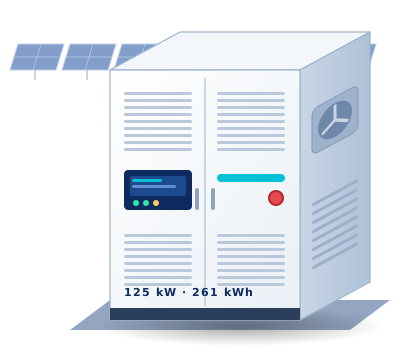
Battery, power conversion, fire protection and energy management in one liquid-cooled cabinet. Scales in parallel for larger sites.
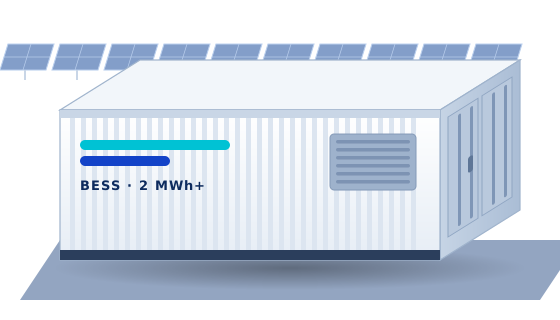
Pre-assembled 20 ft containers for solar farms, grid stabilisation and renewable firming, delivered ready to connect.
From assessment to generation
We begin by understanding your electricity consumption, operating hours, roof space, site conditions and energy requirements.
Our team develops a solar solution based on your energy profile, including system capacity, expected generation, potential savings and available options.
We help prepare the project documentation and CEB application, and plan the installation around the approvals your site needs.
Our installation team installs and commissions the system according to the approved design and applicable requirements.
Once your system is operational, monitoring and ongoing support help you track performance and maintain the system over its operating life.
Why choose commercial solar
For many businesses, commercial solar can be an effective way to reduce electricity costs and improve long-term energy management. The financial benefit depends on your usage pattern, CEB tariff and the scheme you connect under, which is what our feasibility study models.
Cost depends on system size, equipment selection, roof type, installation requirements, electrical infrastructure and project complexity. We give you a written, itemised proposal after the site assessment.
Sizing depends on electricity consumption, daytime load, roof space and operating hours. As a guide: small businesses typically use 20–50 kW, medium commercial sites 50–150 kW and large industrial sites 150 kW and above.
Yes. Commercial solar can be paired with a Battery Energy Storage System to store excess solar generation and use it when required, now or as a later upgrade.
Quality commercial solar panels are generally designed for a 25-year or longer operating life, with panel performance gradually reducing over time.
The CEB runs separate schemes for commercial, industrial and larger generators, each with its own size limits, export terms and opening periods. We help you identify the scheme that fits your site and assist with the application. Final terms are set by the CEB.
Case studies · Australia
Shown until our first Mauritian projects are complete. Full stories on prishdaenergy.com.au.
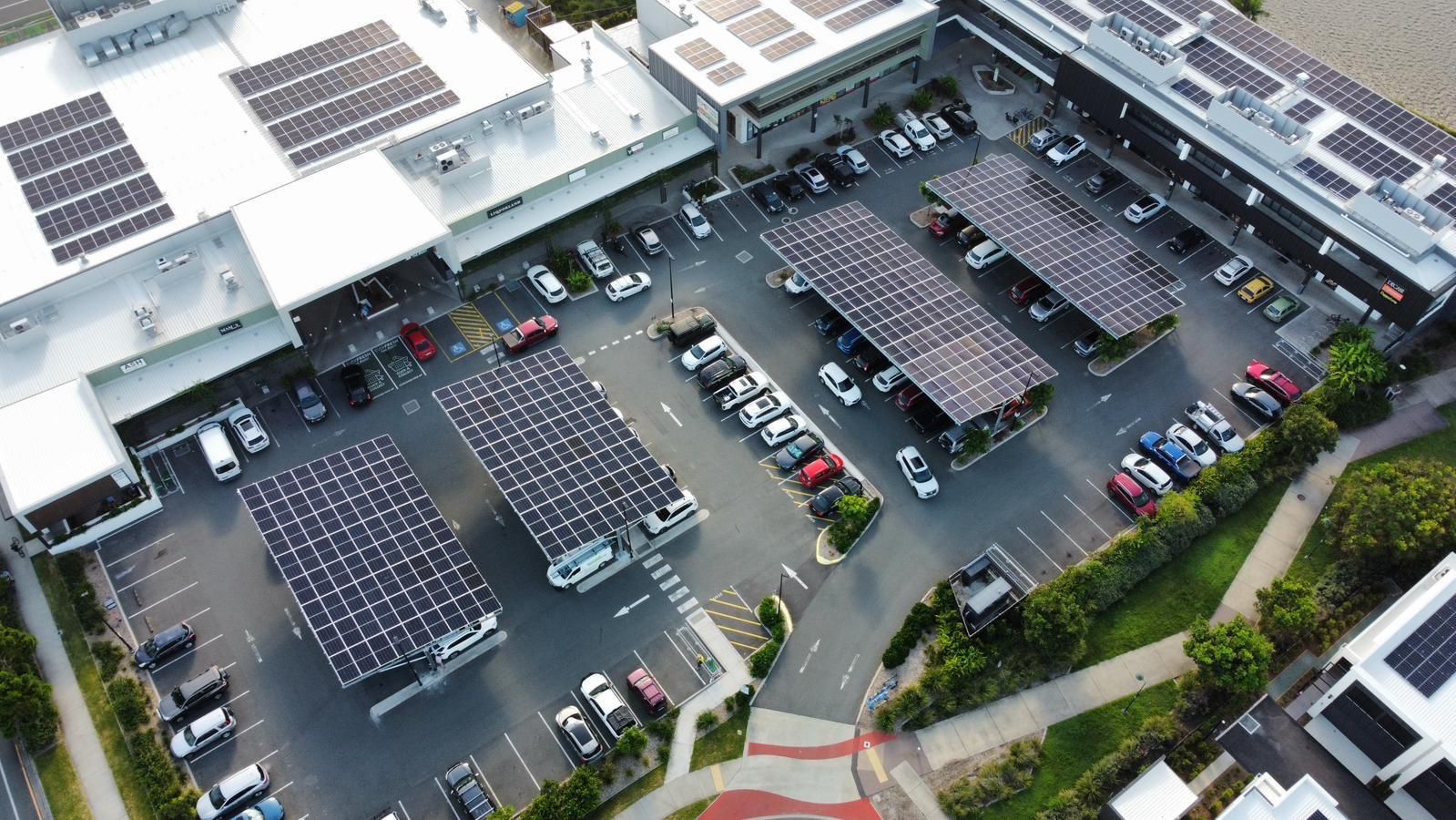
Giving a local shopping centre a competitive edge: solar car shades that generate clean power, keep customers cool and prepare the site for EV drivers.
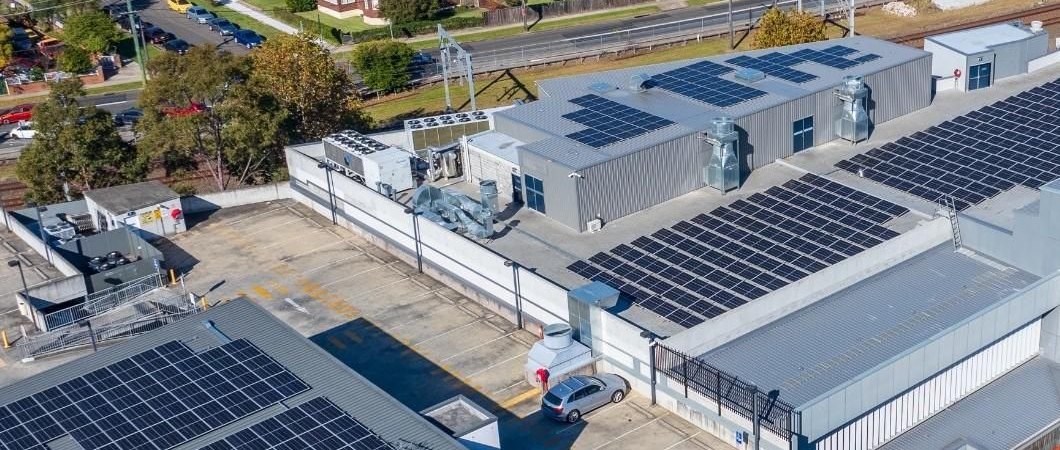
A manufacturer moved its daytime production load onto its own roof, with a battery to carry surplus into the afternoon.
Start with the numbers
Share 12 months of CEB bills and a few site details. We'll model generation, storage and payback, and come back with a written proposal.
Home / Solutions / EV charging
Portable and wall-mounted AC chargers through to DC fast-charging hubs, with smart software and the option to run on your own solar.
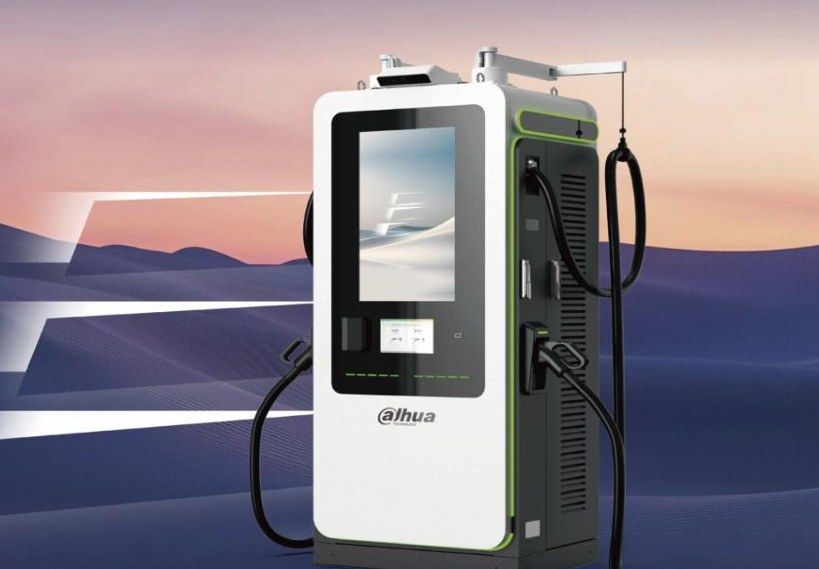
Featured charger · Dahua D-Volt
For hotels, malls, car parks and highway stops, where a charger has to be secure, easy to use and always online.
Built-in camera
Large touchscreen
Dual charging guns
Who it's for
Wall-boxes that charge overnight or from your own solar, controlled from an app.
Destination charging guests expect, paired with solar car shades.
Charging that brings shoppers in and keeps staff and fleets moving.
Fast DC stops along the motorway, so a cross-island trip never waits.
High-power DC stations with payment, screens and liquid cooling.
AC charging
Type 2 connectors as standard, with app control and OCPP 1.6J on networked models.

Plug-and-play charging for travel and occasional use.
One charger for the garage and the road.
Home and workplace charging with app scheduling.
Two vehicles at once for car parks and apartments.
DC fast charging
CCS2, CHAdeMO and other connector standards, built to run a charging business.

Compact fast charging for depots and destinations.
Dual-gun stations for service stations and hubs.
Shared power cabinet feeding multiple dispensers.
Earn media revenue while vehicles charge.
Sustained high power in a hot climate.
Fast charging where the grid connection is limited.
Charging partners BENY · Dahua D-Volt
Solar-powered charging
Solar car shades turn open car parks into power stations, with EV chargers, LED lighting and CCTV integrated. At Capestone Village in Queensland, a 220 kW car shade now powers two EV chargers for shoppers.
Get started
Tell us about your vehicles and site. We'll recommend the right chargers, check your electrical capacity and quote in writing.
Home / About us
Who we are, where we work, the bodies we answer to and the partners we build with.
Who we are
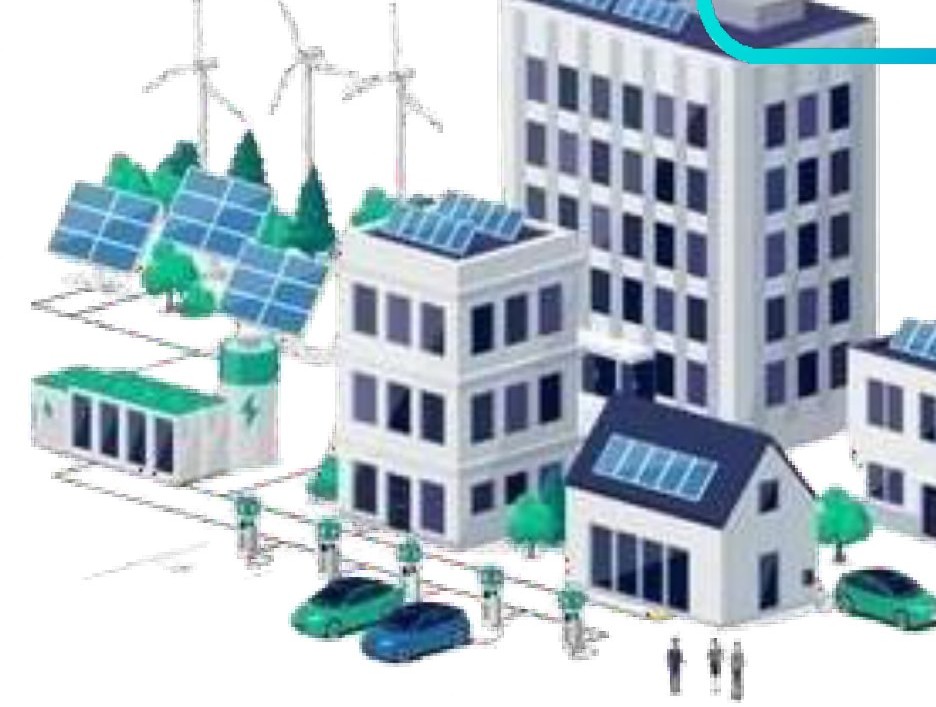
Prishda Energy is an Australian owned and operated renewable clean-tech business, founded in 2019 and headquartered in Melbourne. We design and deliver on-grid, hybrid and off-grid energy systems for homes, businesses and industry, and Mauritius is our next chapter.
We bring the same Australian engineering standards, tier-1 supply chain and after-sales discipline to the island, working with local partners to help households and businesses take control of their energy costs.
Members & accreditations
Click through to each body to see what membership means.
Australia's peak body for solar, storage and smart energy.
Visit MEMBERIndustry association setting design and installation standards for clean energy.
Visit MEMBERThe national body for the electric vehicle and charging industry.
Visit APPROVED SELLERNETCC approved seller: consumer protection for solar, battery and EV sales.
VisitWhere we operate
Engineering from Melbourne, supply-chain and technology partners across Asia and Europe, and a new home in Mauritius.
 Australia · Melbourne HQ & SydneyIndiaBelgiumMauritius
Technology allies
We collaborate with globally recognised technology leaders who help us deliver cutting-edge, dependable and future-ready energy solutions.
Installers & partners
We're building a network of local installers, distributors and project partners. If you share our standards, let's talk.
Home / Contact
Questions about home solar, batteries, EV charging or the CEB scheme? Send us a message or call, and we'll get back to you within one business day.
What happens next